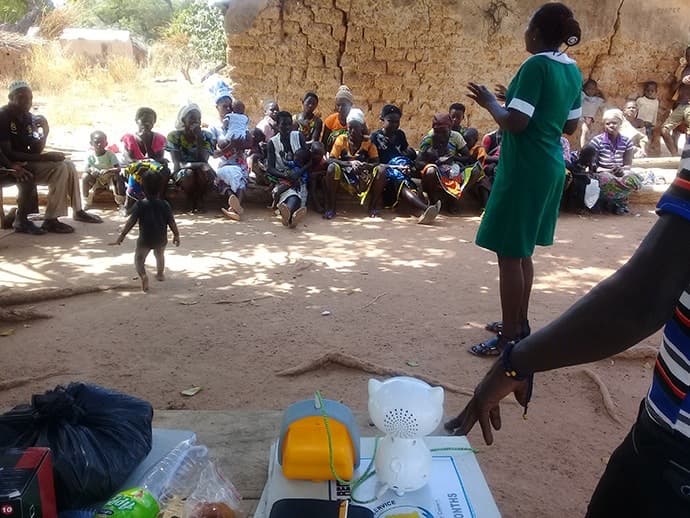
An estimated 13% of Ghanaians live with a mental health condition, with roughly 3% suffering from severe disorders (like schizophrenia or bipolar disorder) and 10% experiencing moderate-to-mild disorders (such as depression and anxiety). Psychological distress is particularly high, with certain demographics showing even higher rates of moderate to severe distress.Despite these high prevalence rates, the mental health landscape in Ghana faces distinct challenges: Key Prevalence DataOverall Burden: Around 2.6 million people have diagnosable mental, neurological, or substance use conditions.Psychological Distress: Recent studies indicate nearly 20% of the adult population experiences moderate to severe psychological distress, with higher rates observed among women and individuals facing socioeconomic hardships.Common Diagnoses: Schizophrenia, major depressive disorder, anxiety, and epilepsy are the most commonly treated conditions. System Challenges and the Treatment Gap. The Treatment Gap: More than 98% of Ghanaians with mental health disorders do not receive adequate psychiatric or professional treatment. Resource Shortage: There are only around 38 psychiatrists serving the entire country—a staggering ratio of about 1 psychiatrist per 800,000 people. Stigma and Alternative Care: Deep-seated social stigma often forces individuals to hide their conditions. Many resort to spiritual healers or prayer camps rather than seeking clinical help. Facility Congestion: State psychiatric hospitals like Accra, Pantang, and Ankaful often operate beyond capacity, leading to calls for better community-based psychiatric
Mental Health
Mental health in Ghana :13% Affected,98% without Treatment
An estimated 13% of Ghanaian live with a mental health condition,yet over 98% receive no adequate treatment.with only 38 psychiatrists for the entire country,stigma resource shortages and overcrowded facilities are deepening the crisis.Here’s what the data shows about Ghana’s mental health burden and system challenges.