
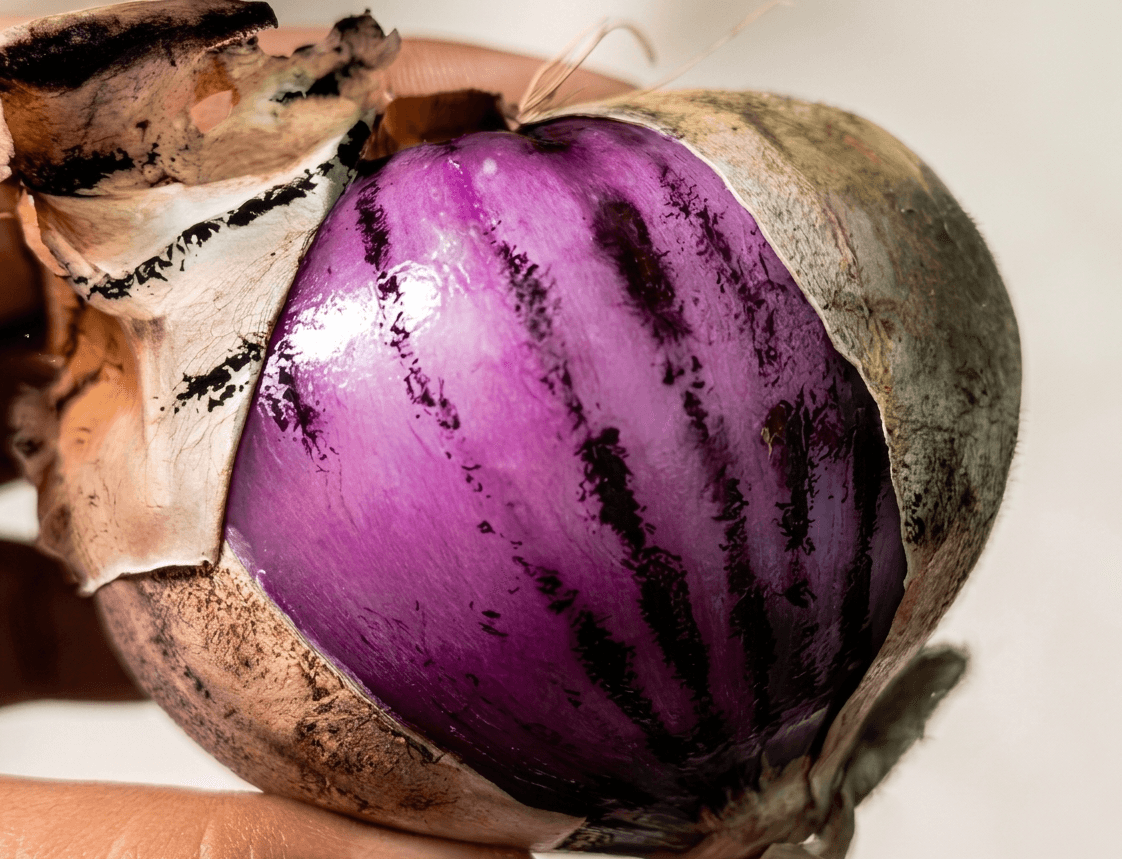
The black patches on onions are Aspergillus niger fungi, commonly known as black mold.
Health Risks: While often harmless in small amounts, this fungus can pose significant health risks if consumed regularly or in large quantities: 1. Respiratory Issues: It can trigger sneezing, coughing, or breathing difficulties, and is particularly dangerous for individuals with asthma or other respiratory conditions. 2. Toxin Production: Some strains produce mycotoxins, such as ochratoxin A, which can harm the kidneys and liver. 3. Immune System: Exposure to the toxins released by this fungus may weaken the immune system. 4. Digestive Distress: In some cases, it may lead to stomach upset, diarrhea, or food poisoning.
Usage and Safety You can typically save the onion if the mould is only on the outer layers:Peel: Remove and discard the affected outer layers until you reach clean flesh. Wash: Thoroughly wash the peeled onion under running water. Inspect: If the black mold has penetrated deep into the inner layers, or if the onion has a musty smell or feels slimy, it should be thrown away. Clean: After handling affected onions, wash your hands, knives, and cutting boards with soap and water to prevent cross-contamination.
Disclaimer: This information is for general educational purposes only. If you suspect you have been affected by foodborne toxins or mold exposure, seek advice from a medical professional. Always check food labels and physical condition before consumption.
Asuom Health News