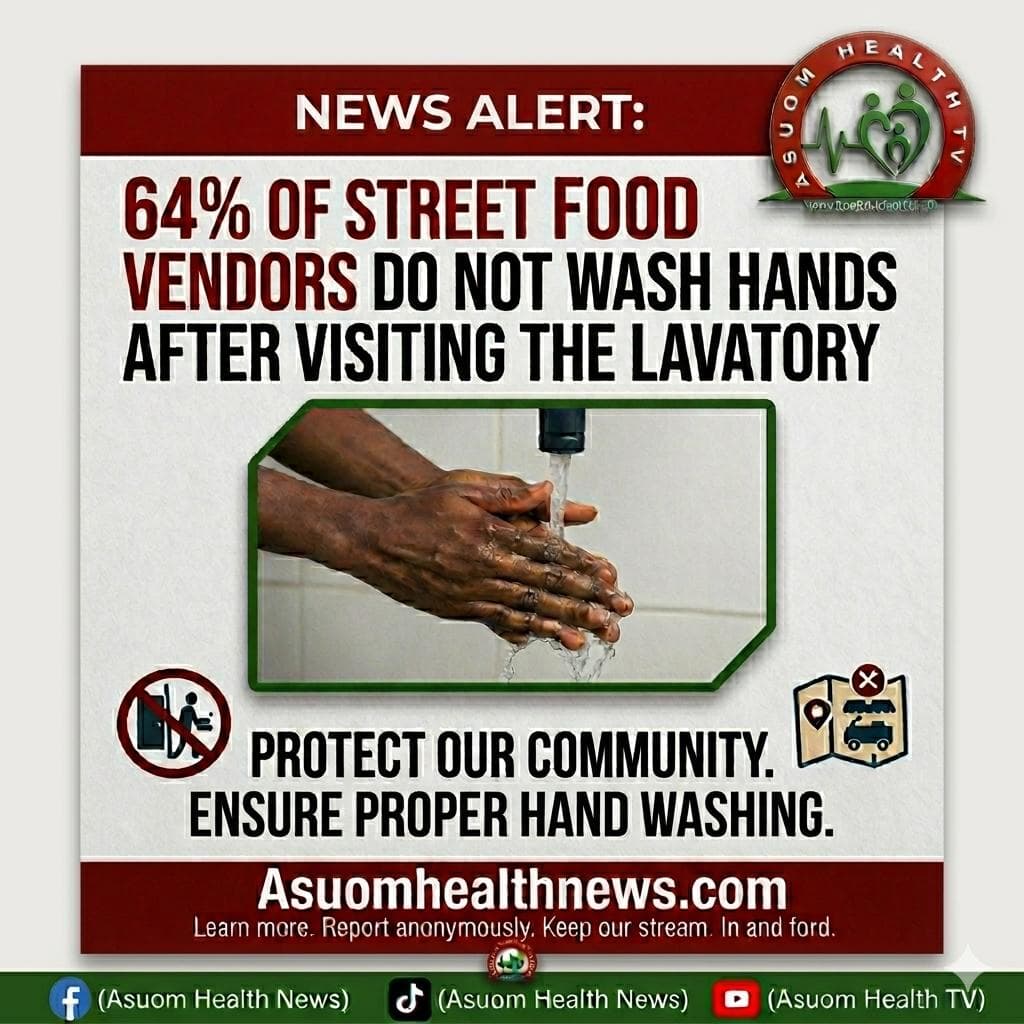
Research on food vendors, particularly street food vendors, consistently indicates that while awareness of food hygiene is high (up to 92.1%), actual handwashing practices are often suboptimal and fall short of safety standards. Key studies from 2024–2026, especially in Ghana, show that while most vendors wash their hands after visiting the toilet (79.4%), only a small minority (18.3%) consistently wash their hands after handling money. Key Findings on Handwashing. Behaviour: Low Compliance After Specific Tasks: Studies found that only 29.1% of vendors in some studies consistently wash their hands before handling food. Inadequate Infrastructure: A lack of handwashing facilities (soap, clean water) at vending sites, or improper use of them, is a significant contributor to poor compliance. High-Risk Behaviours: A high percentage of vendors (up to 93%) have been observed handling food with their bare hands, and only 6.75% had available materials for drying hands after washing.Predictors of Good Practice: Higher educational status, previous food hygiene training, and regular municipal health inspections significantly increase the likelihood of safe handwashing practices. Commonly Reported Challenges: Handling Money: Money is a primary source of contamination, yet it is rarely followed by handwashing. Water and Soap Access: Lack of running water and soap at the immediate point of sale prevents frequent handwashing.Time Constraints: High-volume, fast-paced environments often cause vendors to skip washing steps.Recent Trends (2025-2026)Training Impact: Recent 2025 studies indicate that training, particularly virtual reality (VR) and interactive methods, significantly increases handwashing steps and duration among food handlers.Structural Solutions: Research emphasises that enforcing regular, mandated visits from Environmental Health Officers and ensuring "Veronica Buckets" (water containers with taps) are available is crucial
Nutrition
Poor hygiene practice by street food vendors
Food vendors spread a lot of diseases to innocent customers through their poor hygiene practices.