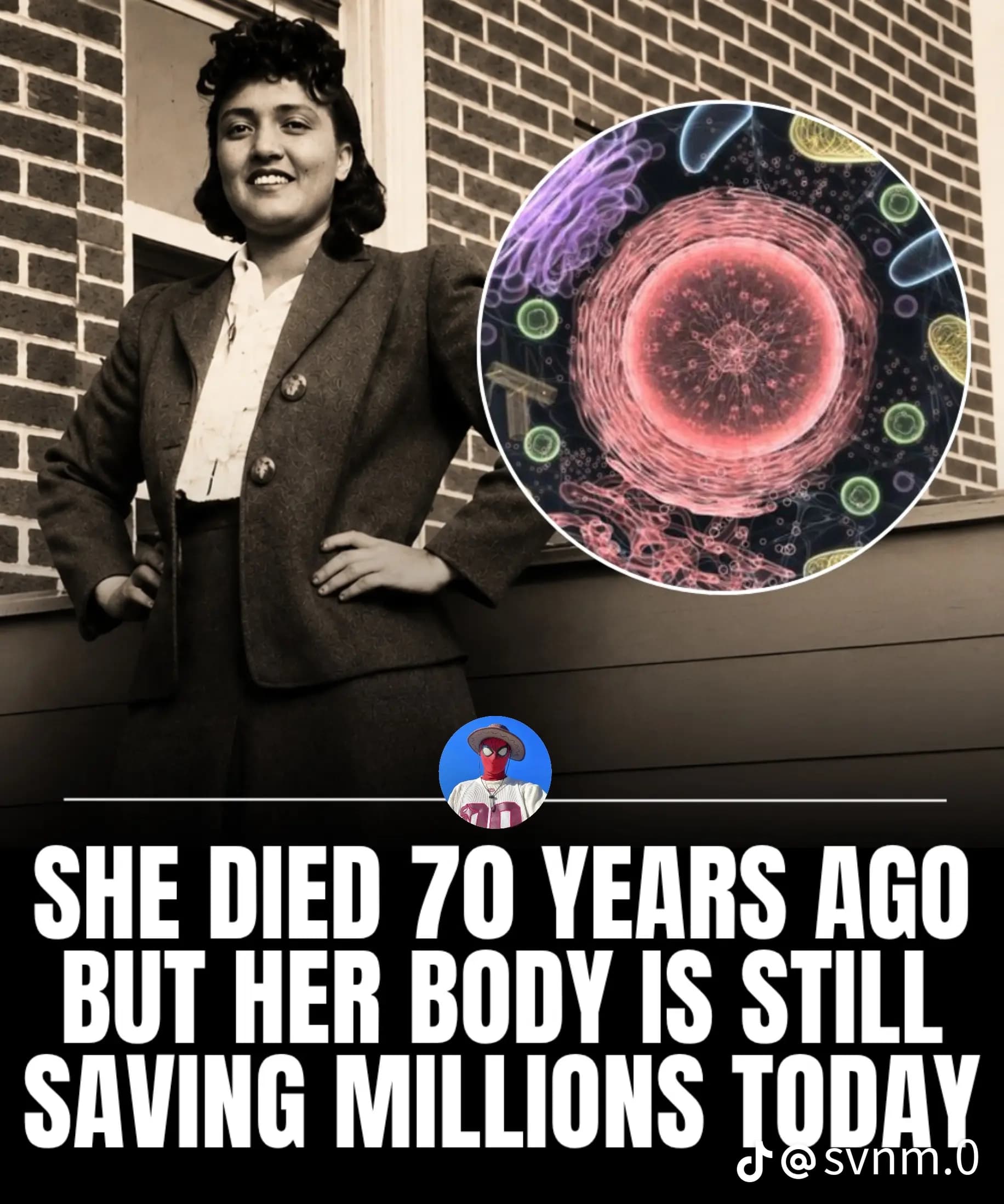
In 1951, Henrietta Lacks, a 31-year-old Black mother of five, went to Johns Hopkins Hospital for treatment after being diagnosed with aggressive cervical cancer.
During a biopsy, doctors took a sample of her tumor tissue without telling her or obtaining her consent for research. At the time, this was common practice, but it would not be permitted under today's informed-consent standards.
Henrietta died on October 4, 1951.
But something extraordinary happened to the cells taken from her tumor.
Unlike other human cells researchers had struggled to keep alive, Henrietta's cells continued multiplying—doubling roughly every 20–24 hours.
Scientists called them HeLa cells, after the first two letters of Henrietta's first and last names. 🧬
They became the first human cell line capable of reproducing indefinitely in laboratory conditions and were distributed widely for scientific research.
HeLa cells helped scientists develop the polio vaccine, study cancer and viruses, investigate the human genome, and contribute to research involving diseases including HIV. They have also played a role in vaccine research, including COVID-19 studies.
Yet Henrietta's family didn't know what had happened.
For decades, they were largely unaware that their mother's cells were still alive in laboratories around the world.
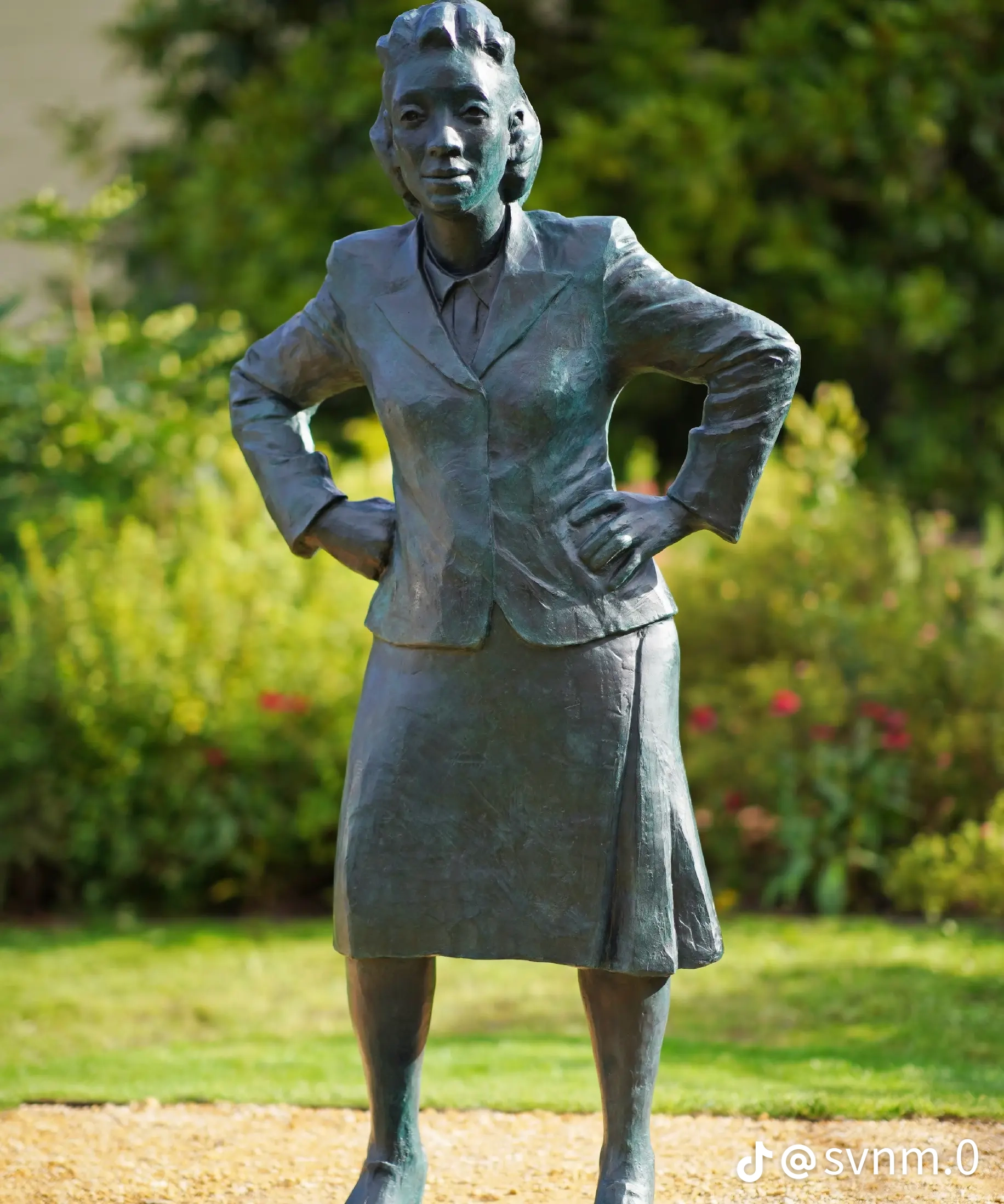
Her story eventually became a landmark case in discussions about informed consent, medical ethics, privacy, race, and who gets to benefit from medical research.
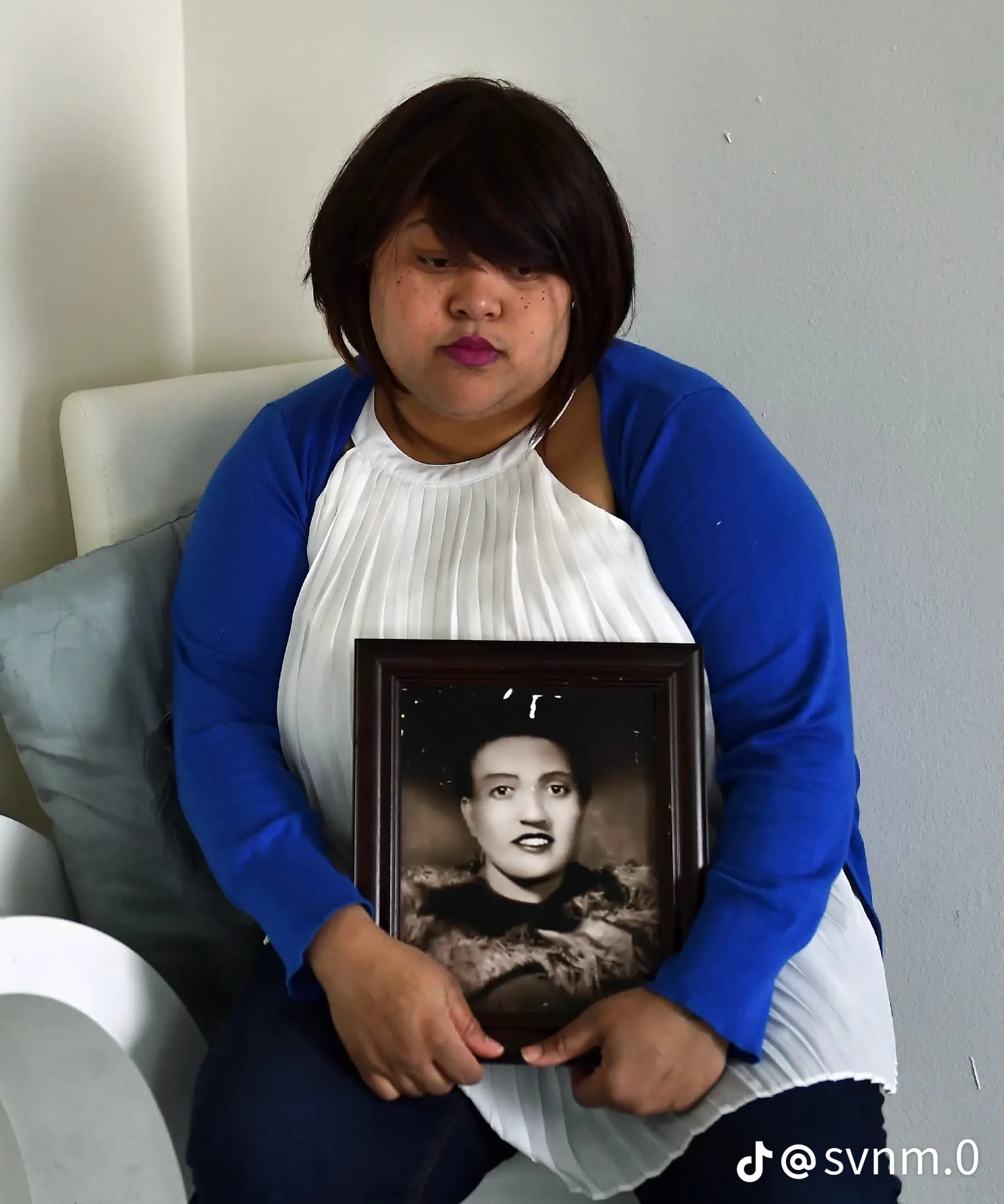
In 2013, the NIH worked with members of the Lacks family to establish an agreement governing access to HeLa genomic data, giving the family a voice in how that information is used.
Henrietta never knew that a piece of her would help transform modern medicine.
She never gave permission for it.
And yet, decades after her death, her cells continue to help scientists understand and fight disease.
Her legacy isn't just about immortal cells. It's about remembering the woman behind them—and making sure scientific progress never comes at the cost of someone's dignity and consent. ❤️🧬
👉 Follow us for more stories from history, science, and the people whose lives changed the world in ways they never imagined. 🌎
📌 Via: Johns Hopkins Medicine / NIH / respective content owners.
⚠️ Disclaimer: All credits belong to their respective owners. This content is shared for educational, historical, scientific, documentary, and awareness purposes only. No copyright infringement is intended. If you are the rightful owner of any content and would like it removed or credited differently, please DM us. No need to issue a strike—the post will be removed immediately upon request.