
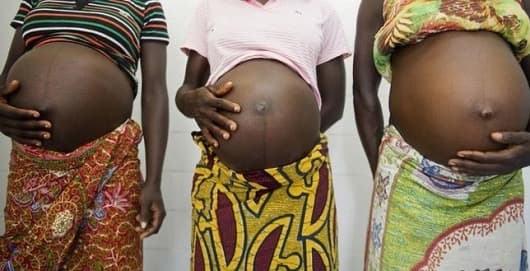
between January and July 2026, according to data from the Ghana Health Service (GHS) Health Information System — figures from health facilities nationwide.
Of that number, 1,501 involved girls aged 10 to 14 years.
The data was disclosed by Ms Sharifa Mohammed, Program Manager, Adolescent Health and Development, GHS, at a National Multisectoral Dialogue on the Reduction of Teenage Pregnancy in Accra on Monday, September 14 — organised by MSI Reproductive Choices Ghana with support from UNFPA.
Key points from her presentation:
• About 7,000 adolescent pregnancies per month among girls aged 15-19 putting 2026 on course to approach the annual national burden of more than 100,000. • The 2022 Ghana Demographic and Health Survey said 15.2% of girls aged 15-19 had ever been pregnant. • Education is key: Pregnancies were significantly higher among girls who were out of school than those in school. "Once we keep girls in school, we are bound to reduce adolescent or teenage pregnancies".
Regional breakdown:
• Savannah Region: 117.5 births per 1,000 adolescent girls higher than the Sub-Saharan average of 104 per 1,000. • Bole District (Savannah): 230 births per 1,000 girls aged 18-19. • Upper East Region: More than 2,400 adolescent pregnancies within first 5 months of 2026, including about 520 cases in Bongo District alone.
Ms Mohammed said behind the statistics are individual girls whose education, health and prospects could be jeopardised, particularly where support is unavailable.