
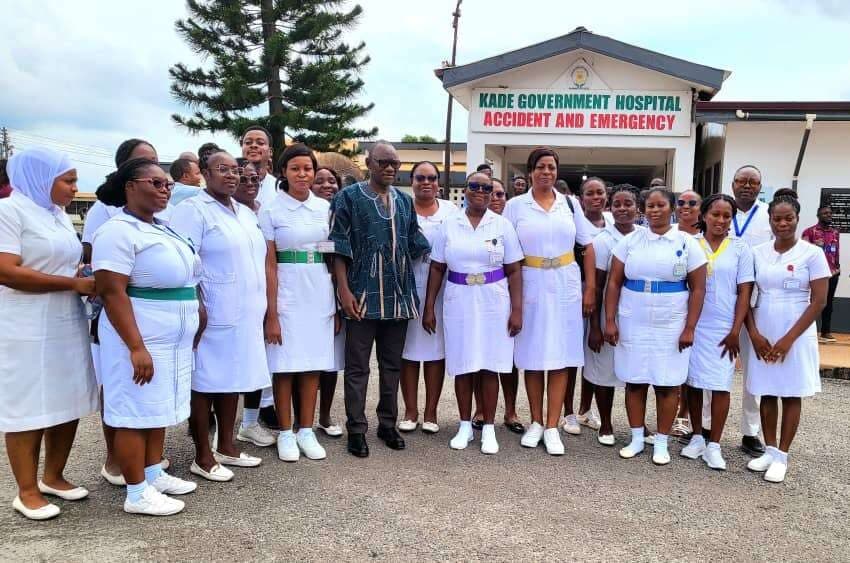
Kwaebibirem , a district located in the Eastern Region of Ghana, has been focusing on improving healthcare delivery, particularly concerning child health. The district's health structure includes several facilities designed to provide comprehensive health services to its residents, with a particular emphasis on maternal and child health.
Health Structure in Kwaebibirem
The health structure in Kwaebibirem consists of a network of health facilities including:
District Hospital: This is the central facility that offers a wide range of services including emergency care, outpatient services, and inpatient care. It is equipped with pediatric wards and specialized staff trained to handle child health issues.
Health Centers: There are several health centers in the district, each staffed with nurses and health workers who provide essential services. These centers focus on routine check-ups, vaccinations, and treatment of common illnesses in children.
Community Clinics: These facilities provide primary healthcare and are often the first point of contact for families. They play a vital role in education about nutrition, hygiene, and preventive care for children.
Initiatives to Boost Child Health Kwaebibirem has implemented several initiatives aimed at improving child health:
Expanded Program on Immunization (EPI): The district has embraced the EPI, which offers free vaccinations for children against common childhood diseases such as measles, polio, and hepatitis. This initiative has significantly increased vaccination rates among children in the district.
Nutrition Programs: Recognizing the importance of proper nutrition in child development, local health authorities have initiated programs to educate parents about feeding practices. They provide workshops that teach mothers about balanced diets, breastfeeding, and the importance of micronutrients.
Community Health Education: Health workers often conduct community outreach programs to raise awareness about hygiene, sanitation, and disease prevention. These programs include home visits and community meetings where parents can learn about the health needs of their children.
Partnerships with NGOs: The district collaborates with non-governmental organizations to enhance healthcare delivery. Organizations like Plan International and UNICEF have partnered with local health authorities to implement projects focusing on maternal and child health.
Mobile Health Clinics: To reach remote areas, the health authorities have introduced mobile clinics that travel to underserved communities. These clinics offer vaccinations, health screenings, and health education, ensuring that all children have access to essential services.
HEALTH CENTERS AND CHPS IN KWAEBIBIREM DISTRICT.
Abaam Health Centre, Abehenease CHPS, Abodom Health Centre, Abompe CHPS, Adankrono CHPS, Apenkwa CHPS, Asuom Amanfrom CHPS, Asuom Health Centre, Bomso (Kbr) CHPS, Bowohomoden CHPS, Kade Govt Hospital, Kade Stadium CHPS, Kade Zongo CHPS, Kubease Mega CHPS, Kwae CHPS, Kwaebibirem Beposo CHPS, Larbikrom CHPS, Mallam CHPS, Mintabomeng Koka CHPS, Mpeasem CHPS, Okyinso CHPS, Subi Health Centre, Tweapease (Kbr) CHPS, Twumwusu CHPS.
Conclusion
Overall,Kwaebibirem is making significant strides in enhancing child health through i healthcare system and targeted initiatives. By focusing on immunization, nutrition, education, and community involvement, the district is working towards a healthier future for its children. Continuous efforts and partnerships will be essential in sustaining and improving these initiatives, ensuring that every child in Kweibirem has the opportunity to lead a healthy life.