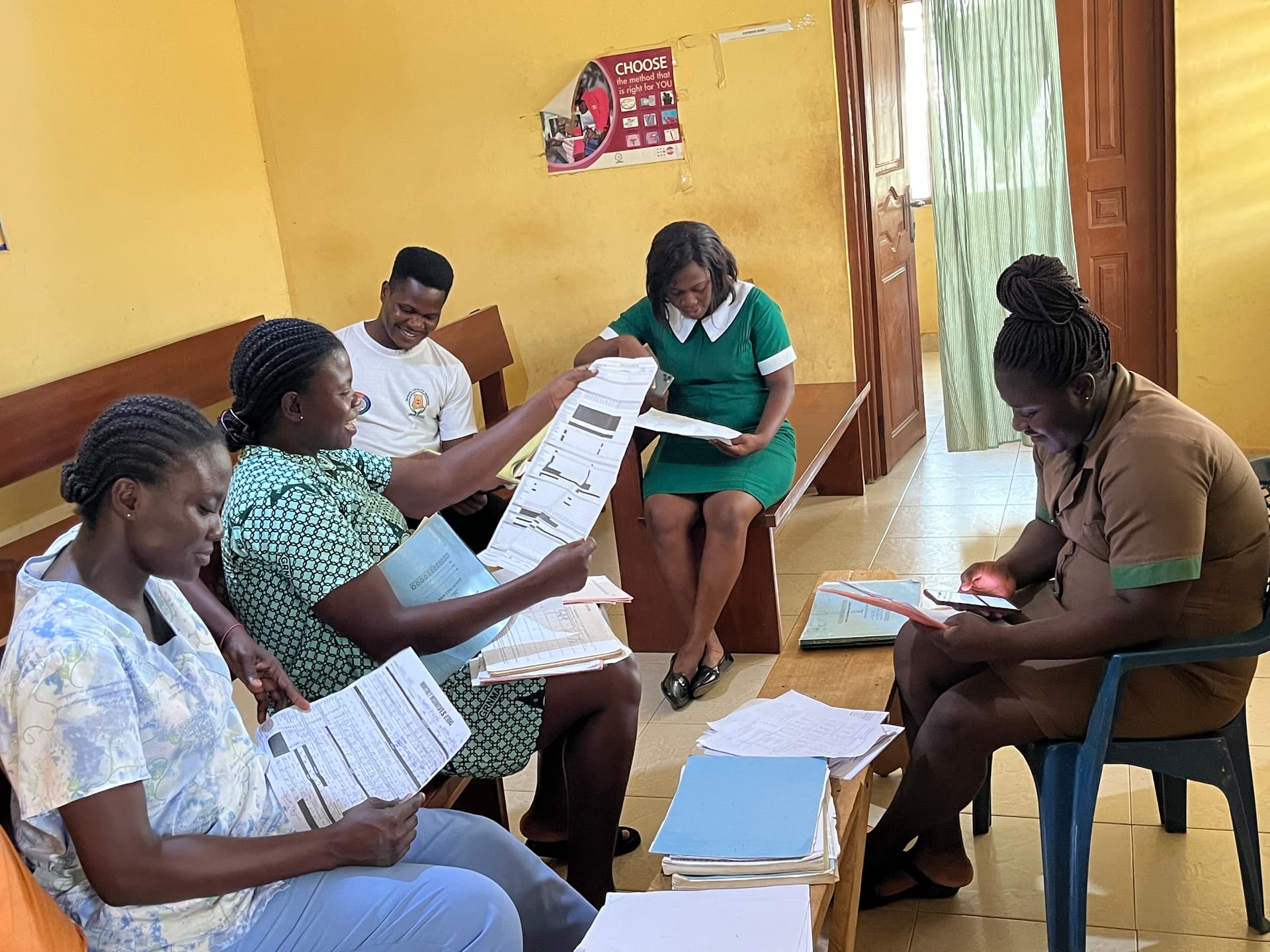
Why Many Ghanaians Neglect Their Health Despite Knowing the Risks Accra, Greater Accra Region – It’s a common sight in clinics across Ghana: patients arriving only when an illness has become severe. Health workers say most people already know the dangers of untreated hypertension, diabetes, or delayed wound care. Yet many still put off hospital visits until it’s too late.
The reasons are complex. Cost remains a major barrier. While the National Health Insurance Scheme covers basic care, out-of-pocket payments for drugs, labs, and transport force many to choose between healthcare and daily income. “If I spend the day at the hospital, my children don’t eat,” said a trader at Makola Market.
Long wait times and drug stockouts further erode trust. In rural areas, distance to the nearest functional facility can exceed two hours. Fear also plays a role. Some avoid testing due to stigma around HIV, TB, or mental illness. Others fear a diagnosis itself. “Better not to know I have BP,” one patient admitted.
Cultural beliefs shape choices too. Many turn first to herbal remedies or spiritual centers, viewing hospitals as a last resort. Health literacy gaps mean symptoms like chronic headaches or foamy urine are normalized until complications set in.
Public health experts say the curative mindset must shift. “We wait until we can’t get up. But hypertension and diabetes don’t give warning signs,” notes a nurse at Ridge Hospital. Community health workers are calling for more home visits, patient-friendly services, and education in local languages to bridge the gap.
Until then, the cost of neglect will keep showing up in emergency wards and mortuaries nationwide.